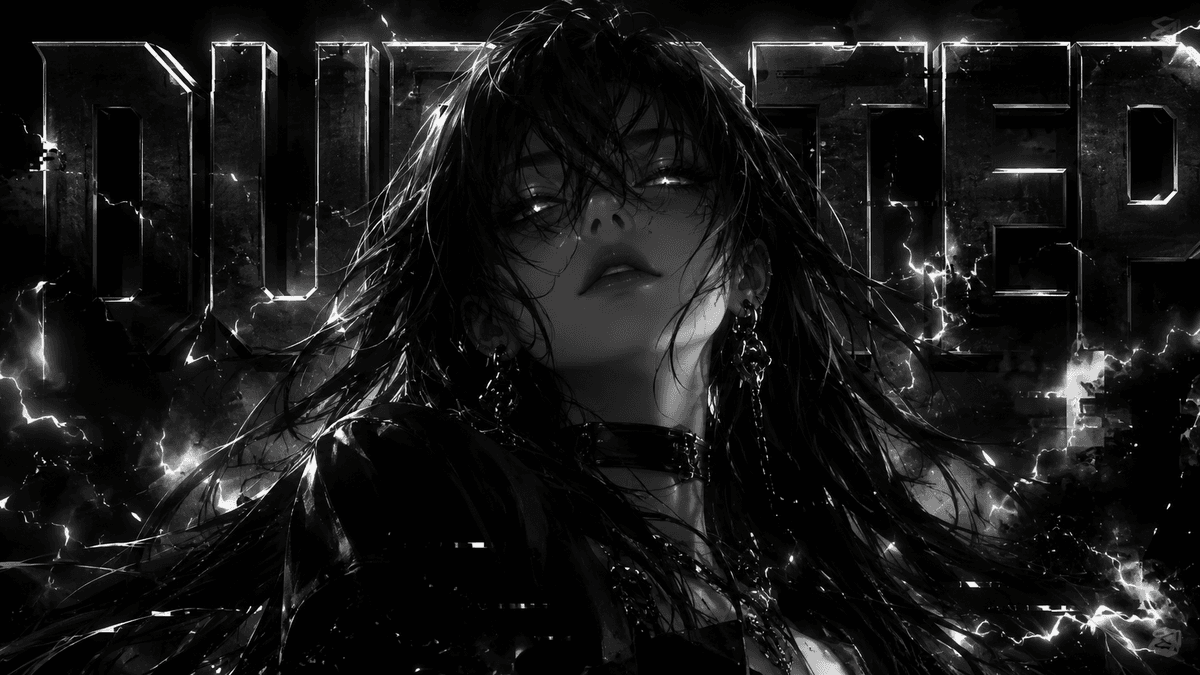
Dubstep Music
Dubstep is defined by its heavy bass drops, aggressive wobble synths and syncopated rhythms — a genre built for maximum impact on the dancefloor.
An engaging introduction to Dubstep
Dubstep is one of electronic music’s most unmistakable forms: dark, elastic, syncopated, and built to make systems shake. At its best, it feels both minimal and immense, leaving space for each kick, snare, and bass movement to land with force. For listeners, that tension is part of the thrill. For artists, it offers a vast creative range, from stripped-back subterranean pressure to festival-scale aggression.
What keeps dubstep music compelling is its balance of precision and surprise. A track might begin with restraint, then suddenly open into a cavernous drop driven by wobble bass, heavy sub movement, or a rhythmic switch that redefines the groove. It is music that rewards volume, but it also rewards close listening: the details in the percussion, modulation, and sound design are often as important as the drop itself.
The history and origins of the genre
Dubstep emerged in South London in the late 1990s and early 2000s, shaped by a converging set of influences: UK garage, 2-step, jungle, dub reggae, sound system culture, and the broader experimentation happening across the UK underground. Early dubstep tracks were often sparse and shadowy, with strong emphasis on low-end weight and rhythmical space rather than melodic excess.
The genre took shape around clubs, pirate radio, and independent labels that encouraged risk-taking. Producers such as El-B and Zed Bias helped define the atmosphere that would become central to the style, while later figures including Skream, Benga, Burial, and Digital Mystikz pushed the sound into wider recognition. The scene’s early identity was not about spectacle alone; it was about atmosphere, bass pressure, and a distinctly London sense of urban space.
By the late 2000s, dubstep began to splinter into multiple directions. One path leaned toward heavier, more aggressive festival styles. Another remained closer to the original dubwise and half-step roots. That branching is part of why the genre still matters today: dubstep is not one fixed formula, but a family of related approaches.
Its sound characteristics and production style
At its core, dubstep is defined by contrast. The classic tempo sits around 140 BPM, though the feel often comes from halftime drum placement rather than straightforward speed. The snare usually lands heavily on the third beat, creating a lurching, head-nodding pulse that leaves room for bass movement to dominate the lower register.
The signature sound element is often the wobble bass, though that phrase only tells part of the story. Dubstep bass design can range from smooth and sub-heavy to snarling, distorted, and metallic. Producers use LFO modulation, filter movement, waveshaping, and layered synthesis to make the low end breathe, tremble, or lurch in unpredictable ways. The result can feel organic despite being highly engineered.
Other common production traits include:
- deep sub-bass designed for large systems
- stark drum programming with strong emphasis on snares and ghost percussion
- atmospheric textures, reverb tails, and negative space
- sudden drops, pauses, and structural shifts
- sampled vocals or chopped fragments used sparingly for impact
Modern dubstep production often blends meticulous sound design with highly controlled mixdown work. The genre demands clarity in the low end, because too much clutter can flatten the impact. At the same time, the best producers know when to leave silence, because the absence of sound can be just as powerful as the heaviest drop.
Cultural context and the scene around it
Dubstep grew out of a very specific cultural environment: a London underground where genre boundaries were porous and sound system culture remained essential. That context matters. The music’s emphasis on bass was not only aesthetic; it was physical, social, and tied to spaces where speakers, crowds, and pressure all shaped the experience.
As the scene spread internationally, dubstep became both a local subculture and a global export. Clubs, raves, online communities, YouTube channels, and niche labels helped the style travel far beyond its UK roots. Along the way, different regions adapted the sound to local tastes, creating fresh offshoots and crossovers with trap, drum and bass, riddim, techno, and bass house.
Today, the dubstep scene is broad rather than singular. You can find purists preserving early atmospheric styles, producers working in ultra-heavy modern bass music, and hybrid artists folding dubstep into cinematic or experimental contexts. That diversity has helped the genre endure long after its first mainstream wave.
Current trends in 2026
In 2026, dubstep is neither frozen in its peak-era identity nor chasing novelty for its own sake. The most interesting current work often sits at the intersection of precision engineering and emotional restraint. Many producers are refining the low end rather than simply making it louder, focusing on impact through texture, groove, and contrast.
A few trends stand out:
- a continued split between melodic, cinematic dubstep and raw, percussive bass-heavy styles
- more hybridization with techno, trap, and experimental club music
- renewed interest in minimal drop structures and restrained arrangements
- stronger visual presentation for releases, especially on YouTube and short-form platforms
- better-informed listeners seeking depth, not just maximum intensity
The genre’s online ecosystem remains central. Many fans discover new dubstep tracks through curated channels, community playlists, DJ uploads, and platform-based discovery rather than traditional radio or press alone. That means visual identity, consistency, and strategic placement matter more than ever for emerging artists.
Why listeners search for and love this genre
People come to dubstep for different reasons, but the emotional payoff is often the same: release. The genre turns tension into motion. It can be intimidating, cathartic, playful, or hypnotic, sometimes all within the same track. That range gives it a lasting appeal.
Listeners often search for a dubstep playlist because they want a concentrated dose of energy, a workout soundtrack, a late-night immersion, or a gateway into the scene. Others look for specific dubstep tracks after hearing a drop in a mix, a game edit, a live set, or a viral clip. The music is built to stick in the body as much as in the mind.
Why it resonates:
- the bass is physical and immersive
- the drops create genuine anticipation
- the genre supports both darkness and melodicism
- it thrives in clubs, headphones, and home systems alike
- it offers a strong identity without requiring lyrical narratives
For many listeners, dubstep is also an exploration genre. One track can lead to a label, a producer, a subgenre, and then an entire scene. That sense of discovery is a major part of the appeal.
How Klexxer curates and promotes Dubstep tracks and artists
Klexxer is built for music discovery, and dubstep fits naturally into that mission. The platform curates dubstep tracks with an ear for impact, originality, and scene relevance, helping listeners find artists who deserve attention beyond algorithmic noise. Rather than treating promotion as a generic upload, Klexxer presents music in a way that respects the genre’s visual and sonic power.
For artists, Klexxer offers free, non-exclusive YouTube promotion with 4K visuals. That matters in a genre where presentation can strongly influence first impressions. Clean, high-resolution visuals help the music feel more immersive, while non-exclusive promotion gives artists room to build their own strategy elsewhere. It is a practical model for producers who want reach without giving up flexibility.
Klexxer’s approach supports:
- emerging dubstep producers looking for visibility
- listeners searching for a reliable dubstep playlist experience
- fans who want a curated path through new and notable releases
- artists who need strong visual packaging for bass music content
In a crowded digital environment, curation is not just a convenience; it is a form of advocacy. The right placement can help a strong track find the audience it deserves.
Dubstep remains one of electronic music’s most durable and adaptable forms, because it understands how to turn low frequencies, space, and rhythm into an experience. Explore the tracks and artists below, and let the next wave of dubstep reveal itself.